Civil Service Newsletter Editorial Board
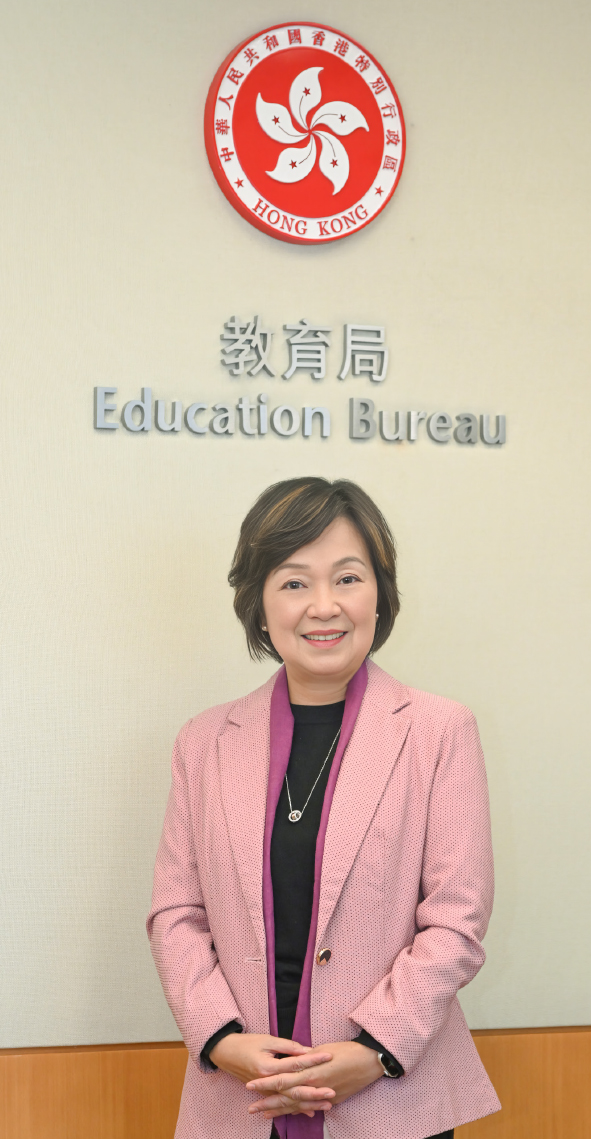
“Hong Kong’s education will soon embrace a golden era. We seize every opportunity to forge ahead with the integrated development of education, technology and talent, while strengthening the supporting role of education for technology and talent.” As stressed by Dr Choi at the beginning of the interview, Hong Kong has an edge in offering highly internationalised and diversified education services. The Government is fully committed to investing in education and striving to build our city into an international hub for education and high-calibre talent. The aim is to cultivate and attract talent and foster technology development in a co-ordinated manner. This approach is highly consistent with the “2024-2035 master plan on building China into a leading country in education” (the Master Plan) of the country.
Figures speak for themselves. With the reference materials in hand, Dr Choi was pleased to share that local institutions had attained remarkable achievements in various world university rankings. Among them, five universities in Hong Kong funded by the University Grants Committee (UGC) are ranked among the world’s top 100, making our city one of the world’s most concentrated places of first-class universities. Hong Kong’s ranking in the World Talent Ranking 2025 by the International Institute for Management Development leapt to the fourth place, marking the highest-ever position and ranking first in Asia.
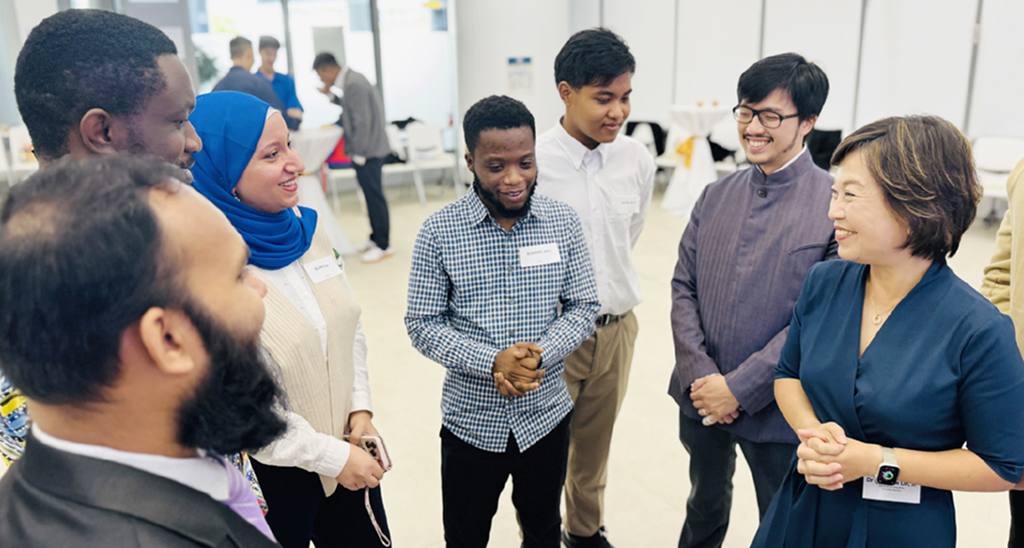
To give full play to Hong Kong’s strength in its internationalisation of education, the Government is going all out to boost exchange and collaboration between local post-secondary institutions and their global counterparts. The Asia-Pacific Association for International Education Conference and Exhibition will be held in Hong Kong from 23 to 27 February this year. It is one of the three major international education conferences, bringing together representatives and experts of higher education from around the globe to discuss relevant important topics and emerging trends. Dr Choi said, “The hosting of this annual conference in Hong Kong will enable the participants to have a better picture of the latest trends in higher education in other places of the world, and explore new opportunities of collaboration. Moreover, it will provide a perfect opportunity for Hong Kong to showcase to the international community our strong commitment to promoting international education co-operation, as well as cross-cultural and academic exchange.”
The Alliance of Universities of Applied Sciences will also organise an international symposium during the same period. Through various events ranging from keynote speeches, panel discussions to cultural visits, the conference aims to explore collaboration opportunities among academia, industry and the Government for promoting vocational and applied education. Government officials, Consulate Generals, diplomatic agents, representatives of chambers of commerce, and those from the universities of applied sciences in the Mainland and overseas will attend the events for exchanging views and experiences. Through this international symposium, Hong Kong can showcase its achievements in vocational and professional education and training, thereby enhancing its international image and recognition while attracting outstanding students to choose to study in Hong Kong and join the field of applied sciences.
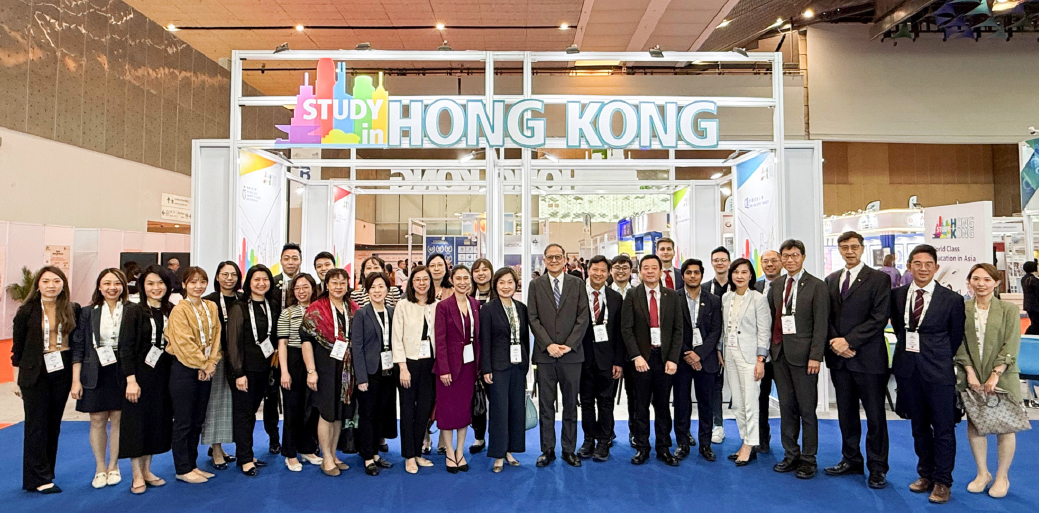
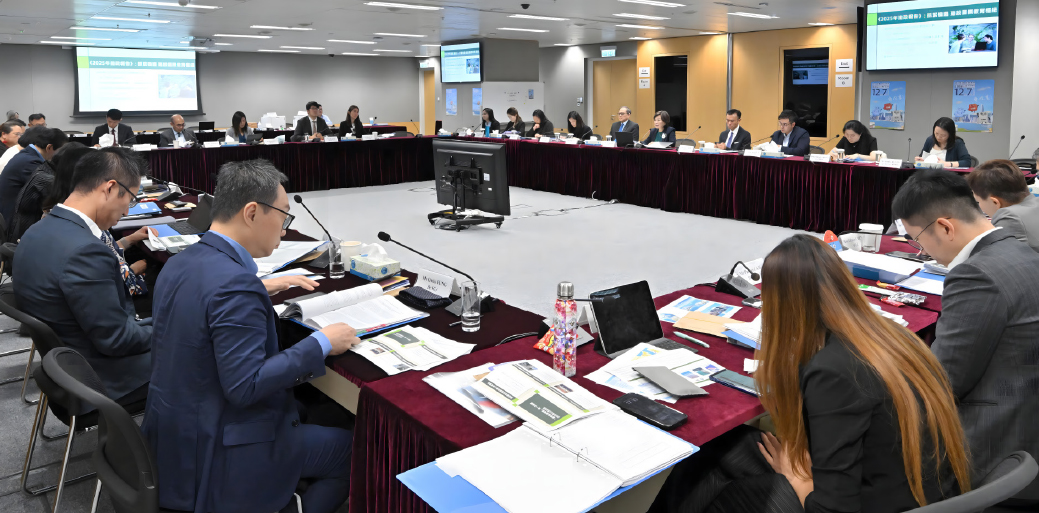
Dr Choi added that Hong Kong’s quality post-secondary education has been highly popular among non-local students. The Government has established the “Task Force on Study in Hong Kong” and enhanced co-ordination with the relevant departments and organisations to roll out the large-scale publicity campaign, “Hong Kong: Your World-class Campus”. The campaign aims to promote Hong Kong’s post-secondary education and quality resources in areas such as academic studies, scientific research, and international co-operation, so as to attract more outstanding students and scholars to come to Hong Kong for development.
To further promote Hong Kong’s advantages in higher education to other parts of the world, the Government has designated the week from 23 February to 1 March this year as “Study in Hong Kong Week”. In parallel with the signature events mentioned above, extensive publicity campaigns will be launched to tell good stories of our city in education. On occasions like spring receptions held outside Hong Kong, overseas Hong Kong Economic and Trade Offices as well as HKSAR’s Offices in the Mainland will also step up promotion of Hong Kong’s post-secondary education among the guests from different places.
On policy support, local institutions are progressively admitting self-financing non-local students by way of over-enrolment. To further support post-secondary institutions in expanding their scale, enhancing quality, and strengthening internationalisation and diversity in the campus environment, the Government will adjust the ceiling for non-local student places from the current 40% to 50%. The over-enrolment ceiling of self-financing places of funded research postgraduate programmes will also be increased from 100% to 120%.
As for the most challenging issue faced by higher education, Dr Choi explained that it is mainly about the gradual emergence of bottlenecks in physical development spaces. With a greater number of non-local students drawn to Hong Kong’s quality education, it is imperative to make early planning for teaching and non-teaching spaces, so as to bring together more high-calibre talent from around the world. There is a pressing need to expand capacity and enhance quality. To this end, the Government has proposed the NM University Town to take forward the deeply integrated development of Hong Kong’s academic excellence and industry with an innovative mindset and approach, hoping to promote industrial advancement through education.
Dr Choi remarked that the NM University Town will facilitate the building of Hong Kong into an international education hub and take our academic and research sectors to a higher level globally. Post-secondary education institutions will mainly introduce more branded programmes as well as conduct research and exchange in the region on a self-financing basis with renowned Mainland and overseas institutions. Furthermore, synergy will be created through sharing resources and enhancing collaboration with industries, in a bid to attract academic and research talent from overseas. The Education Bureau (EDB) will actively engage in the work of the Working Group on Planning and Construction of the University Town led by the Chief Secretary for Administration to take forward the development of the NM University Town at full speed.
“To attract top-notch non-local students to Hong Kong, it is indispensable to ensure sufficient supply of student hostels,” said Dr Choi. She mentioned that the UGC-funded universities are actively expanding the student hostels under the Hostel Development Fund. Over 14 000 hostel places in total are expected to be provided under the 15 projects. The Government has been joining hands with market forces by, among others, expanding facilitation measures under the Hostels in the City Scheme. Initiatives include extending the coverage from conversion of commercial buildings to redevelopment of original commercial buildings for increasing the supply of new student hostels, as well as obviating the need for rezoning and allowing excessive plot ratio be retained. The Government will also earmark new sites (zoned as commercial or otherwise) for building new hostels.
Speaking of the major advancements in Hong Kong’s post-secondary education, Dr Choi said that the passage of the Post Secondary Colleges (Amendment) Bill 2025 (the Bill) by the Legislative Council signifies an important milestone for the self-financing post-secondary education sector. Not only does the Bill reform the regulatory regime to improve governance, it also removes barriers suitably to enhance efficiency and effectiveness, and forges a unified regulatory framework to promote coherence in areas like quality assurance. Leveraging the advantages in terms of flexibility and diversity, the self-financing post-secondary education sector forms an integral part of the post-secondary education system in Hong Kong. The passage of the Bill will facilitate the healthy and robust growth of the education sector, further releasing its potential to cultivate more talent for the country and Hong Kong, and making more proactive contributions towards building China into a leading country in education.
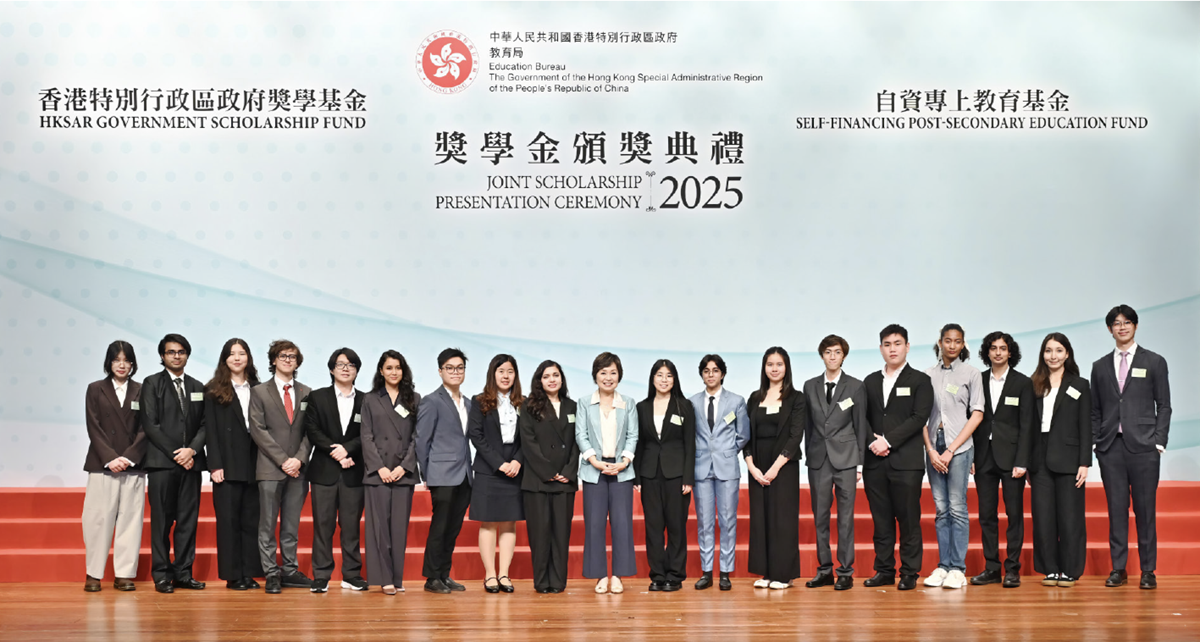
In fact, in addition to the accomplishments achieved in our post-secondary education, Hong Kong’s quality basic education system has long won global recognition. Over the years, Hong Kong students have excelled in various international studies and assessments, consistently ranking among the top worldwide. For example, Hong Kong ranked second among countries or economies with high academic achievements in the Programme for International Student Assessment (PISA), indicating that the family socio-economic status of students had minimal bearing on their performance. Hong Kong education system values equity and diversity, so that students can receive quality education regardless of their socio-economic background.
Dr Choi pointed out that these accomplishments are the fruitful results of collaborative efforts among multiple parties, serving as testimony to the success of the local education system and its right direction of development. The Government’s firm commitment to investing in educational resources and implementing enhancement measures with a long-term view is also crucial to the success.
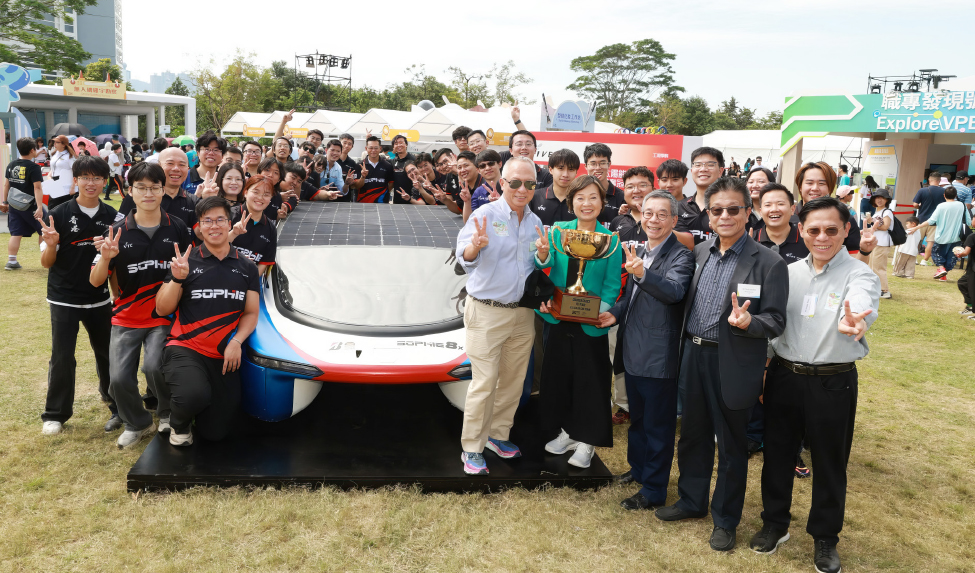
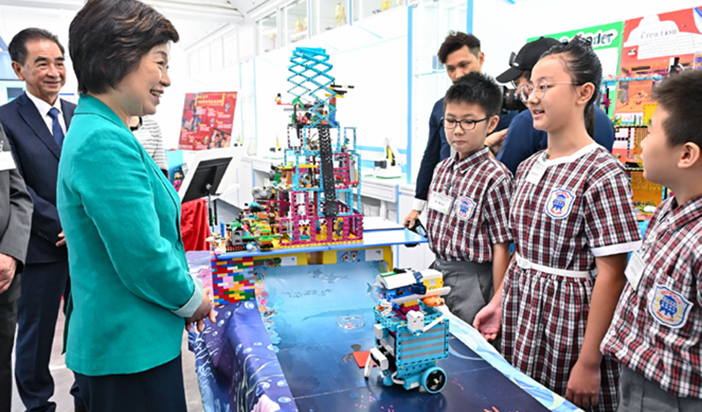
To better prepare students for the era of artificial intelligence (AI) at an early age, EDB has geared up for a multi-pronged approach in system layout. Dr Choi said that EDB is vigorously promoting digital education in Hong Kong, which echoes the national policy of invigorating the country through science and education as well as the national strategy for educational digitalisation stated in the Master Plan.
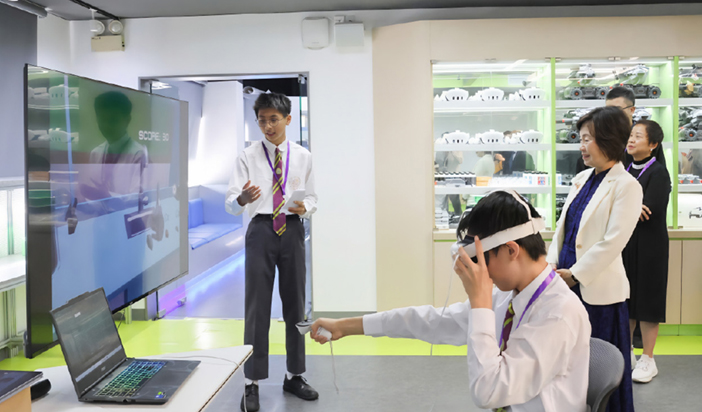
“We have earmarked $2 billion under the Quality Education Fund to advance the support measures in relation to digital education in primary and secondary schools,” said Dr Choi. She also revealed that the Blueprint for Digital Education in Primary and Secondary Schools to be released this year will encompass strategies such as optimising the interface between primary and secondary curricula of Information Technology and Innovation and Technology education, setting out an “AI literacy” learning framework, as well as incorporating AI education into the core curriculum. She added, “Apart from optimising the curricula, we also attach great importance to enhancing AI training for teachers. We will collaborate with relevant sectors to launch a series of professional training courses so that teachers will be able to harness AI to assist in teaching and learning, thereby promoting learning and teaching effectiveness.”
To expedite the use of AI in Science teaching, EDB will launch a number of funding schemes. In addition to implementing AI-assisted teaching in the junior secondary Science subject on a trial basis, EDB also promotes school-based programmes using AI to empower education, and subsidises students’ participation in activities related to AI literacy and skills. Besides, through the e-Learning Ancillary Facilities Programme, EDB strengthens co-operation among schools, post-secondary institutions, education and professional bodies, and business sectors to develop e-learning ancillary facilities that meet the local learning and teaching needs.
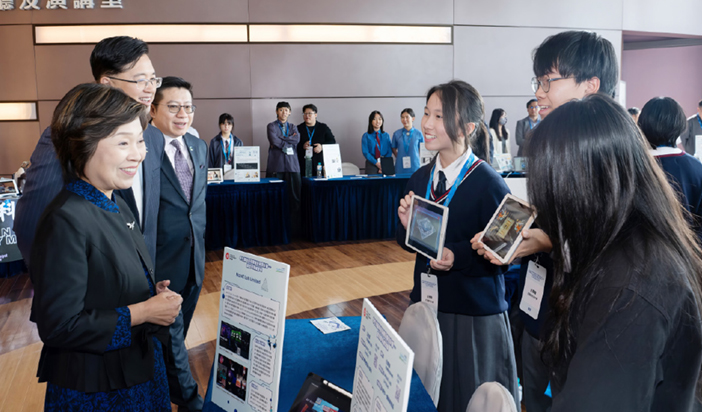
From implementing macro-level policies to living a healthy lifestyle, Dr Choi has always led by example. She shared with a chuckle that she once aspired to be an athlete when she was little. While Dr Choi eventually pursues a career in education, her commitment to and passion for sport remain as strong as ever.
“I had my first taste of marathon running at a fund-raising event. Surprisingly, the more I run, the more I am drawn to the magic of running. Even in winter time, I get up at five o’clock in the morning to go jogging every day. Jogging has become part of my morning routine despite bad weather.” Dr Choi believed that both life and learning share the same characteristics with distance running. “Don’t rush. Don’t compare ourselves to others. Just go at our own pace. Most importantly, we should never give up.”
At the end of the interview, Dr Choi was asked about what she had gained from practising distance running. She beamed, “Every time I go for a run, I feel so invigorated. Plenty of exercise not only helps us keep in shape but also changes our life, allowing us to better ourselves.” The marathon spirit is the driving force behind her work in promoting education tirelessly.